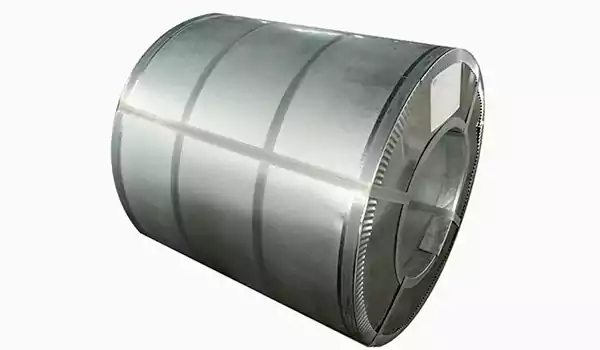
Want a tested hot rolled steel distributors?
Settling on the fitting pipe option for your build relies on understanding its specifications and likely applications. Typical specs cover composition, gauge, size, and allowable margins. Factors such as pressure rating, temperature performance, and corrosion resistance are critical when selecting a pipe for industrial, commercial, or residential use. Piping systems are used in erection projects, manufacturing plants, infrastructure networks, water and gas delivery, waste removal, framework support and tailored industries
- Appreciating the precise needs of your assignment is necessary to determine the suitable tubing
- Check regulatory standards and technical codes for comprehensive metal pipe specs
- Decide on materials by assessing pressure needs, temperature ranges and corrosive factors
Tube Steel: Strength, Durability, and Versatility
Structural tube steel boasts superior robustness and is widely selected for numerous industrial, structural and commercial projects. Proven endurance arises from specialized forming and treatment processes. Constructed by processing steel feedstock into tubes via drawing or welding, they give robust corrosion and wear protection and lasting service in difficult environments. Formable tube steel supports conversion into varied cross-sections and complex forms to deliver project-specific solutions. Applied in multifaceted structural, mechanical and architectural contexts, tube steel's resilient strength, persistent durability and flexible form capabilities secure its essential place in modern building and manufacturingExpanded Metal Panels: Boosted Security and Safety
Expanded metal mesh is increasingly chosen when applications require robust security and improved safety measures. The open geometry offers visual transparency while enforcing a physical blockade to unauthorized access and potential dangers. The mesh is configurable in hole size and metal gauge to suit specific requirements
- High durability of expanded metal protects against impact forces, vandalism and extreme weather
- Also, quick installation and low maintenance encourage widespread uptake in various sectors
- Applied to secure infrastructure and ensure worker safety in industrial spaces, expanded metal offers an integrated protective solution
Metal Mesh Applications in Industrial Settings
Metal mesh is adopted across industrial contexts because of strong mechanical properties, long service life and flexible applicability. It forms a firm matrix used in filtration systems, screening equipment, reinforcement layers and protective barriers. Within building works, steel mesh commonly reinforces concrete to increase tensile capacity and limit cracking. Likewise, steel mesh is utilized in bridged sections, tunnel linings and civil works for added support and load-carrying ability. Steel mesh plays an important role in industrial screening and filtration in manufacturing, where a fine weave isolates substances of different particle sizes for sieving and cleaning. Protective uses include mesh-based guardrails, fences and enclosures designed to prevent intrusions and protect operators. Steel mesh's tensile robustness equips it to resist impact and stress, providing trustworthy protection in strenuous scenarios
Metal Pipes for Structural Support
The natural strength of metal pipes renders them valuable in a wide array of structural roles. Their adaptability helps create dependable frameworks that perform load-bearing functions across industries. Across towering buildings, bridge systems and subterranean pipe runs, metal pipes form a structural backbone and handle severe environmental loads. Corrosion defence plus convenient fabrication cement their position in modern building practices
Picking the Right Tube Steel for an Application
When planning construction or fabrication, selecting the right tube steel is critical. Given its strong, long-lasting and lighter profile, tube steel works well across multiple uses. Still, with numerous grades and technical specs to consider, selecting tube steel may be daunting
- Evaluate project purpose, loading requirements and environmental context to ensure suitability
- Consider wall gauge, cross-section and metal grade since they directly impact performance
For major structural projects opt for heavy-gauge, high-yield tube steel; for low-mass applications opt for thinner-walled steel
Refer to seasoned engineers or dependable steel suppliers to choose the ideal tube steel for your application
hot-rolled coilUpsides of Expanded Metal in Building Projects
Expanded metal brings a range of functional and cost-effective benefits to construction work. Its lower weight facilitates placement and installation and helps decrease labor-related costs. Moreover, the open structure boosts ventilation and drainage to reduce moisture-related issues. High durability positions it as an appropriate choice for heavy-duty resistance needsKnowledge of Metal Pipe Joining
Pipe coupling types serve as critical elements in plumbing systems for carrying fluids and gases effectively. Which connection to use depends on pipe size, material, rated pressure and the specific application. Common connection types include threaded, flanged and welded joints which offer varying strength and sealing properties. Threaded coupling involves screwing male and female threads, flanged coupling uses bolted plates to form a seal, and welding fuses pipes into permanent joints with heat and pressure. Knowing each connection type's features ensures a leak-proof and functioning piping systemSteel Mesh for DIY: Versatile Material Options
The metal mesh is tough, durable and multipurpose, lending itself to many DIY projects. Open and interconnected, the structure is perfect for fences, screening and decorative installations. What's more, its light weight and easy handling make it widely used by both beginner and expert DIYers
- Explore the use of metal mesh in your forthcoming DIY project
Steel Pipes: From Plumbing to Architectural Reinforcement
Metal pipes contribute indispensably to today's infrastructure and building practices because of their robust strength, long life and flexibility. Starting out as plumbing conduits, metal pipes have expanded into major structural and support applications. From foundations and supports to water supply and gas distribution networks, metal pipes deliver essential functions in modern infrastructure. Robust construction allows them to manage high pressures and loads and corrosion resistance delivers dependable long-term performance. The ability to form pipes into many configurations adds to their flexibility across multiple applications
Expanded Metal: Creative Designs and Functional Uses
Expanded metal presents unique design possibilities while offering strong functionality. Its open structure supports versatile applications from architectural accents to industrial safety systems. Load-bearing capacity plus good looks make expanded metal desirable for structural and aesthetic uses
- Moreover, expanded metal's open structure boosts ventilation and supports applications requiring heat dissipation
- Expanded metal serves diverse fields such as construction, manufacturing, transportation, automotive and decorative arts